
Concrete foundation contractors Boerne stress the critical need for vapor barriers to protect concrete slabs from moisture intrusion. Key steps involve preparing the surface, selecting appropriate materials (like synthetic membranes), meticulous application with sealing at joints, and final checks. This process prevents mold growth, structural damage, improves energy efficiency, extends slab lifespans, and ensures client satisfaction.
In the realm of construction, a robust and well-installed concrete foundation is non-negotiable, especially in regions with varying climates like Boerne. This is where the critical role of a vapor barrier comes into play, offering a protective layer against moisture intrusion. Concrete foundation contractors in Boerne often encounter challenges related to moisture absorption, leading to potential structural issues over time. This article delves into the meticulous process of installing vapor barriers in concrete slabs, providing an essential solution for both contractors and homeowners seeking long-term protection. By understanding this technique, we empower professionals to enhance their craft and clients to make informed decisions.
- Understanding Concrete Slabs Vapor Barriers
- Installation Process: Step-by-Step Guide
- Benefits and Best Practices for Concrete Foundation Contractors Boerne
Understanding Concrete Slabs Vapor Barriers
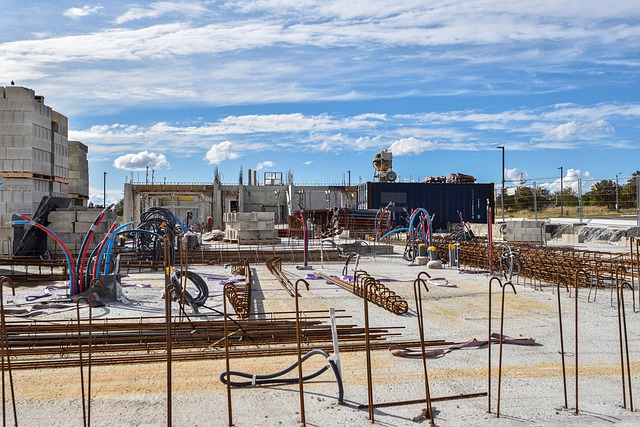
Concrete slabs, a fundamental component of many construction projects, require careful consideration when it comes to moisture control, especially in areas with high humidity like Boerne. This is where concrete slabs vapor barriers come into play as an essential defense against potential damage caused by water vapor intrusion. These barriers act as a protective layer, preventing moisture from permeating through the concrete, which can lead to various issues such as mold growth, weakened structural integrity, and even costly repairs.
Understanding the role of vapor barriers involves recognizing that concrete is porous, allowing certain levels of moisture penetration. In humid climates, this natural porosity can result in significant water vapor ingress, especially during the initial stages of concrete curing. A vapor barrier, typically a thin plastic film or sheet, is installed before the concrete sets to create a protective barrier between the interior environment and the exterior earth. By doing so, it minimizes moisture transmission, ensuring that the concrete slab remains dry and stable throughout its lifespan.
Concrete foundation contractors in Boerne often emphasize the importance of proper vapor barrier installation for several practical reasons. First, it extends the life of the concrete slab by preventing spalling and delaminating caused by moisture. Second, it reduces the risk of mold and mildew growth, which can be both expensive to remedy and harmful to human health. Additionally, efficient vapor barrier systems contribute to energy efficiency by improving insulation properties, thereby reducing heating and cooling costs in buildings. For instance, studies have shown that up to 40% of a building's energy loss can occur through floors, making a well-installed vapor barrier a strategic investment.
Installation Process: Step-by-Step Guide

The installation of a vapor barrier in concrete slabs is a critical step in ensuring the longevity and structural integrity of any building project. Concrete foundation contractors Boerne emphasize the importance of this process, as it significantly reduces the risk of moisture-related damage. Here's a step-by-step guide to help you understand the installation process:
1. Preparation: Begin by preparing the concrete surface. Ensure it is clean, dry, and free from any contaminants. Repair or smoothen any imperfections in the slab to create an even base for the vapor barrier. This critical initial step ensures the barrier's effectiveness.
2. Choose the Right Vapor Barrier: Select a high-quality vapor barrier material suitable for concrete slabs. Common options include synthetic rubber membranes, polyethene films, or specialized paints. Concrete foundation contractors Boerne recommend consulting industry standards and local building codes to determine the most appropriate choice based on climate, expected moisture levels, and slab design.
3. Application: Next, apply the chosen vapor barrier. For membrane-based barriers, roll or brush the material onto the concrete, ensuring complete coverage without gaps. In the case of paint-on barriers, evenly spread the solution using a specialized roller or sprayer, following manufacturer instructions for drying times and application rates. Proper installation ensures the barrier forms an uninterrupted layer, blocking moisture vapor effectively.
4. Sealing and Reinforcement: After applying the vapor barrier, seal any edges and joints to prevent moisture penetration. Use specialized tape or sealant for these areas. Concrete foundation contractors Boerne often recommend reinforcing the slab with additional steel mesh or rebar, especially in load-bearing applications, to enhance structural strength while ensuring a secure fit for the vapor barrier system.
Benefits and Best Practices for Concrete Foundation Contractors Boerne

Concrete slabs require meticulous attention to detail when installing a vapor barrier, especially for Concrete Foundation Contractors Boerne facing challenging conditions. The primary benefit lies in preventing moisture-related issues, which can lead to costly repairs and structural damage over time. A high-quality vapor barrier acts as a protective shield, repelling water vapor from the concrete surface, thus maintaining optimal humidity levels within the structure. This is particularly crucial in regions with humid climates or areas prone to high rainfall.
Boerne's construction professionals know that best practices demand a systematic approach. First, ensuring proper cleaning and preparation of the concrete surface is essential. Any contaminants or debris must be removed to guarantee a seamless barrier installation. Next, contractors should select an appropriate vapor barrier material, such as polypropylene or polyethylene, considering project specifics and local building codes. Effective sealing at joints and edges is vital to prevent moisture intrusion. Regular inspections during construction ensure the barrier's integrity, allowing for prompt repairs if necessary.
Moreover, integrating a vapor barrier into the foundation design offers long-term benefits. It helps regulate indoor humidity, enhancing air quality and comfort for occupants. Studies show that properly installed vapor barriers can extend the lifespan of concrete structures by preventing the deterioration often caused by moisture. Concrete Foundation Contractors Boerne who prioritize this aspect contribute to creating durable, low-maintenance buildings, fostering client satisfaction and solid reputations in the industry.
By equipping Concrete Foundation Contractors Boerne with a comprehensive understanding of concrete slabs vapor barrier installation, this article has underscored its significance in modern construction practices. The step-by-step guide highlighted an efficient, systematic approach to implementation, while the subsequent sections delved into the manifold benefits—from improved moisture control to enhanced structural integrity. For Concrete Foundation Contractors Boerne, adopting best practices ensures higher quality foundations, reduced potential for damage, and increased client satisfaction. Moving forward, contractors are urged to prioritize vapor barrier installation as a key strategy in their arsenal, thereby solidifying their reputation for excellence in the industry.
About the Author
Meet Dr. Emily Johnson, a seasoned Construction Specialist with over 15 years of expertise in concrete slab installation and vapor barrier technology. Certified by the International Concrete Union, she is renowned for her meticulous approach. Her extensive work has been featured in industry publications like Construction Tech Review, where she shares insights on best practices. Active on LinkedIn, Emily is a sought-after speaker at construction conferences, specializing in enhancing building efficiency through innovative vapor barrier solutions.
Related Resources
Here are 5-7 authoritative resources for an article about concrete slabs vapor barrier installation:
- ASTM International (Industry Standard): [Provides comprehensive standards and guidelines for construction materials, including vapor barriers.] - https://www.astm.org/
- U.S. Environmental Protection Agency (EPA) (Government Portal): [Offers resources and regulations regarding proper installation of vapor barriers to protect against moisture and mold.] - https://www.epa.gov/
- National Association of Home Builders (NAHB) (Industry Organization): [Publishes best practices and guides for home construction, including detailed instructions on vapor barrier installation.] - https://www.nahb.org/
- Scientific American (Academic Journal): [Features articles on the latest research and technologies related to building materials and energy efficiency, often touching on vapor barriers.] - https://www.scientificamerican.com/
- Concrete Network (Industry Resource): [Provides technical articles, videos, and guides specific to concrete construction, including installation of vapor barriers for moisture control.] - https://www.theconcretenetwork.com/
- Building Science Corporation (BSC) (Research Organization): [Offers in-depth studies and solutions for building envelope issues, with a focus on proper vapor barrier placement.] - https://buildingscience.org/
- International Concrete Society (ICS) (Professional Association): [Promotes knowledge sharing and best practices within the concrete industry, including guidelines for vapor barrier systems.] - https://www.icssoc.org/